Three console makers, three very different futures
Nintendo is protecting a distinct box, Sony has dated its move away from new discs, and Xbox is stretching its identity across screens.
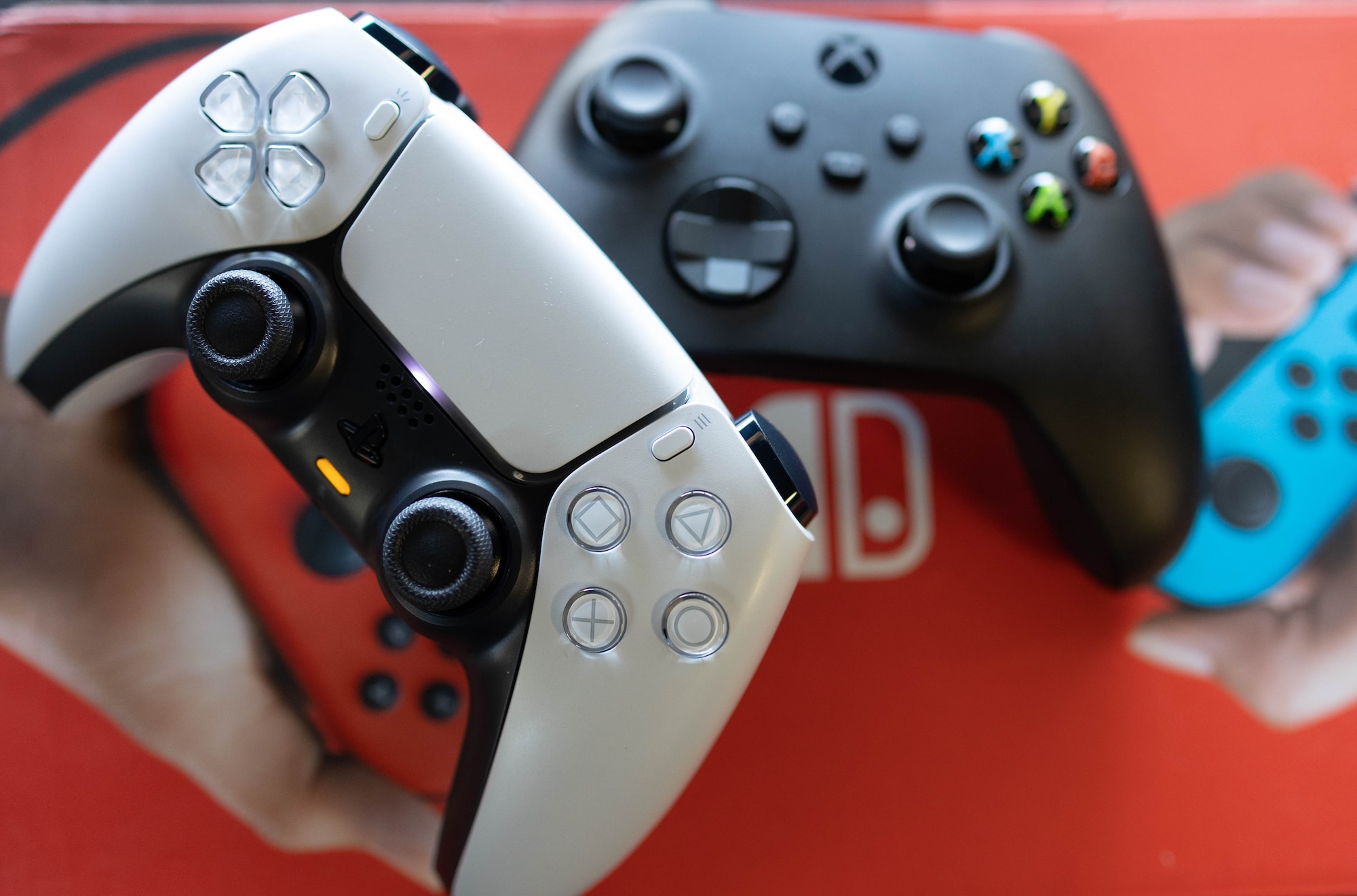
The short version
- Nintendo’s current strength is a clear hardware identity and exclusive software.
- Sony is committing to a store-centered future for new releases after 2027.
- Xbox is treating console, PC, cloud, and publishing as parts of one network.
The strategies are separating
Questions about Xbox changing direction again—and whether the industry proved Nintendo right—point to the same useful observation: Nintendo, Sony, and Microsoft no longer appear to be chasing one identical console business with different mascots.
Nintendo’s pitch is still a distinct device with software designed to make that device desirable. Sony is maintaining premium hardware while moving new game purchases toward a digital-only future. Microsoft is spreading Xbox across console, Windows, cloud, Play Anywhere, subscriptions, and a growing publishing footprint.
Change is not automatically failure
Xbox strategy shifts can frustrate someone who bought a console for a stable promise of exclusives. They can also make a purchased game more useful across devices. Sony’s digital transition can simplify distribution while weakening resale and retail competition. Nintendo’s physical commitment can preserve choice while game-key cards quietly add a download dependency.
Each future solves a business problem and creates a customer problem. That is more interesting than declaring a winner every morning.
What this desk will watch
The scoreboard here is practical: Can a family afford the hardware and games? Can they share purchases? Does a game survive a server outage? Is the platform’s promise clear enough to make a five-year purchase? Official policy sets the facts; analysis should explain what those facts mean for players.